
The Role of Digital Photography in Modern Human Life

Updated: Nov 21, 2025
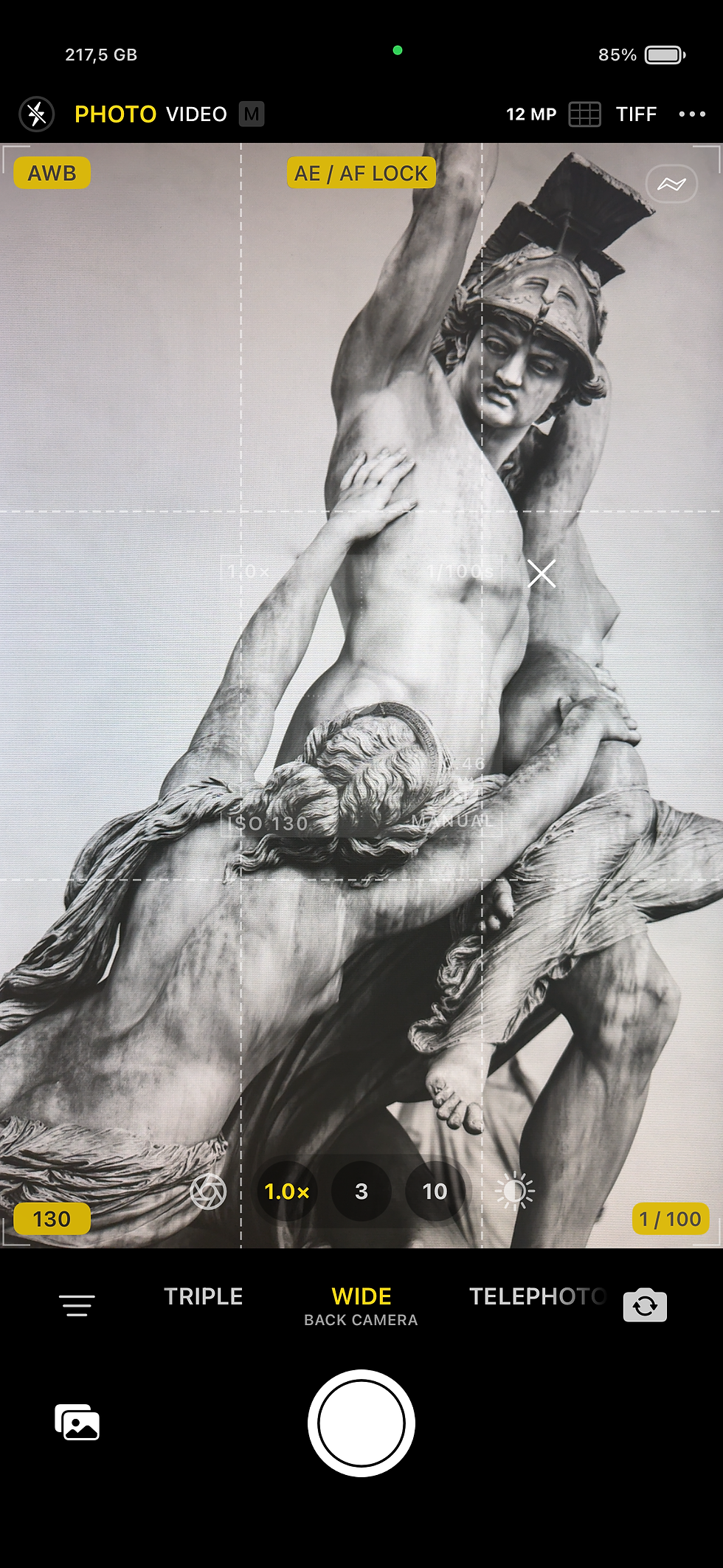


Digital photography is one of the most significant phenomena of 21st-century visual culture. The development of digital technologies has radically transformed the ways images are captured, stored, and distributed, turning photography from a specialized art into a mass communication tool. The transition from analog to digital photography became a key milestone in the evolution of visual technology. While traditional film photography required specific skills and financial investment, the digital format made the shooting process highly accessible. The emergence of the first digital cameras in the late 20th century, and later the integration of cameras into mobile devices, contributed to the democratization of photography. It is no longer an exclusive instrument of professionals but has become an everyday means of communication. Through photographs, people capture important events, preserve personal memories, express emotions, and convey identity. The role of photography is especially visible in social networks, where visual content becomes the primary form of self-presentation and interaction with the world. Thus, digital photography shapes a new visual culture in which images often replace text as the primary carrier of information. This text, of course, is an exception. The spread of digital photography has generated an entire range of new professions — from photographer and videographer to content creator and visual marketing specialist. Thanks to accessible digital tools and educational platforms, photography has become an important element of continuous learning and personal development. Moreover, visual literacy is becoming a key skill necessary for effective communication in the digital environment. Modern technologies — artificial intelligence, machine learning, and automatic image processing — have significantly changed the very concept of photography. Image quality no longer depends solely on the photographer's skill, as software algorithms can imitate artistic effects, adjust light and color, and remove imperfections. However, the technologization of shooting has shifted the perception of photography itself: images are increasingly seen not as documents of reality but as visual interpretations created through digital means.The widespread use of digital photography is accompanied by several ethical challenges. First is the issue of authenticity: the capabilities of editors and neural networks blur the line between real and artificially generated images. Additionally, the constant pursuit of the “perfect” visual image often creates psychological pressure, lowers self-esteem, and distorts perception of reality. Privacy concerns are also relevant — publishing personal photos online increases the risk of violating private life. Thus, the role of digital photography lies not only in documenting reality but also in actively shaping it. The future of visual culture depends on how responsibly people create and interpret images. Reflecting on the significance of digital photography, we must also note the importance of tools that make the creative process simple and accessible. Modern applications help people unlock their creative potential regardless of skill level. One such tool is xZoom Cam— an intelligent app for shooting and editing photos. It combines the capabilities of a professional camera with the simplicity of a mobile interface, making the creative process easy and enjoyable. While its digital zoom has already won users’ hearts and needs no introduction, let’s take a closer look at the app’s other tools.
Phi Grid
This is a compositional tool based on the golden ratio (1:1.618), also known as the Divine Proportion or Φ (phi). It is an alternative to the rule of thirds and creates a more natural, harmonious frame. The rule of thirds divides the frame into equal parts (33% and 66%). The Phi Grid uses the golden ratio — the lines are placed at approximately 38.2% and 61.8% of the frame.Vertical lines: 0.382 and 0.618 of the width. Horizontal lines: the same. Try applying it in practice, and you’ll be pleasantly surprised:

Portrait: position the face along a vertical Phi line so the viewer’s gaze naturally falls on the eyes.


Architecture: use vertical and horizontal lines to align building elements and the horizon precisely.
The Golden Ratio
The golden ratio is one of the most mysterious and beautiful mathematical proportions found in art and nature. In photography, it helps create balanced, aesthetically pleasing compositions that naturally guide the viewer’s attention.
Using it is just as simple and intuitive — follow a few basic principles:
Main lines and intersections: place key elements along the golden grid to make the image harmonious.
Object placement: don’t put the subject in the center; shift it toward the golden points to add dynamics.

Example: the horizon on the upper golden line looks striking and balanced.

Nature as inspiration: shells, galaxies, leaves — natural examples of golden proportions that inspire composition.
Portraits: place the model’s eyes or face at the golden intersections.


Landscapes: align the horizon or main objects with golden ratio lines.


Architecture: use the proportions to create harmonious images of buildings.
Basic Camera Functions
Of course, we couldn’t omit basic camera settings such as ISO (sensor sensitivity), WB (white balance), and SS (shutter speed), which allow you to control the photography process both manually and automatically.
Personalization of settings
For example, budget-segment mobile phones equipped with a single camera are provided with advanced settings, and this additional feature is completely free.

Comments